
Introduction
If you have been through a fertility consultation, you have almost certainly heard the term ICSI. It often comes up alongside IVF in a way that can make the two sound interchangeable or make ICSI sound like an upgraded version of IVF that is simply better. Neither is quite accurate.
ICSI is not a separate treatment from IVF. It is a fertilisation technique used within an IVF cycle; one specific step, at one specific moment, that differs from how standard IVF handles that same step. Everything before and after fertilisation, the ovarian stimulation, the egg retrieval, the embryo culture, the embryo transfer, is identical whether you are having standard IVF or IVF with ICSI.
Understanding what ICSI is, what it is designed to solve, and when it is genuinely recommended matters for intended parents in two ways. First, it helps you understand your own treatment protocol and why your fertility specialist has recommended what they have. Second, it helps you ask better questions; including the important one of whether ICSI has been recommended because it is clinically indicated in your case, or as a routine default.
This guide covers what ICSI involves technically, when it is the right approach, when standard IVF is sufficient, and how ICSI fits specifically within a surrogacy programme.
What Standard IVF Fertilisation Looks Like
To understand ICSI, it helps to start with what happens during standard IVF fertilisation.
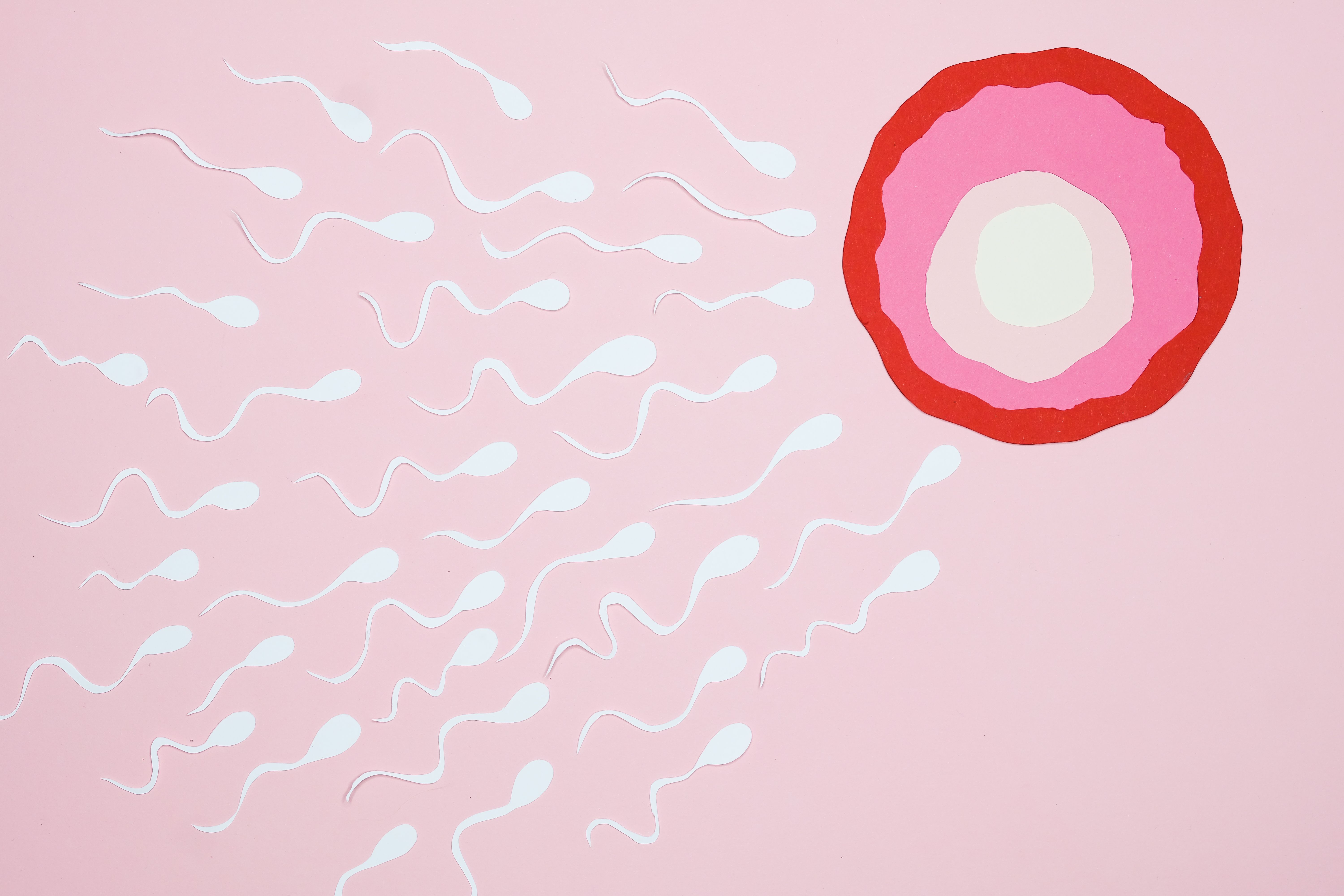
After egg retrieval, the eggs are placed in a culture dish in the laboratory. A prepared sperm sample containing hundreds of thousands of motile sperm is added to the dish alongside the eggs. The sperm are left to find and penetrate the eggs naturally, in a process that replicates, in controlled conditions, what would happen in the fallopian tube. This is sometimes called conventional insemination or standard IVF.

It works well when sperm are present in sufficient numbers, move effectively, and are capable of penetrating the egg's outer membrane. When those conditions are met, standard insemination produces reliable fertilisation rates without any additional intervention.
The limitation of standard IVF fertilisation is that it depends on the sperm's own capacity to complete the process. When that capacity is significantly compromised, whether because of low numbers, poor motility, abnormal morphology, or because the sperm has been surgically retrieved rather than ejaculated, natural fertilisation in the dish becomes unreliable. This is the problem ICSI was designed to solve.
What ICSI Involves
ICSI, intracytoplasmic sperm injection bypasses the natural fertilisation process entirely. Instead of placing sperm in a dish and allowing them to find the egg, an embryologist selects a single sperm under a high-powered microscope and injects it directly into the egg's cytoplasm using a very fine glass needle.
The procedure requires precision and skill. The egg is held in place with a holding pipette while the embryologist identifies a single morphologically normal sperm from the prepared sample, immobilises it, draws it into the injection needle, and inserts the needle through the egg's outer shell and into its centre. The sperm is then deposited directly into the cytoplasm and the mechanism of fertilisation is mechanically completed by the embryologist rather than by the sperm itself.
After injection, the eggs are placed in culture and monitored for fertilisation over the next 18 to 24 hours, just as in a standard IVF cycle. From this point, the process is identical: fertilised eggs develop into embryos over several days, the best are selected for transfer, and remaining viable embryos may be frozen for future use.
The key point to hold onto: ICSI changes only the fertilisation step. The stimulation protocol, the egg retrieval, the embryo culture, and the transfer are all the same as in conventional IVF.
When ICSI Is Clinically Recommended
ICSI is the appropriate technique in a defined set of clinical situations. These are not arbitrary but they reflect the specific circumstances where the natural fertilisation mechanism of standard IVF is unlikely to be reliable.
Severe male factor infertility
This is the primary indication for ICSI. When a semen analysis reveals a very low sperm count (oligozoospermia), poor motility (asthenozoospermia), or significant abnormalities in sperm shape (teratozoospermia) or some combination of these, the sperm's ability to penetrate the egg naturally is significantly reduced. ICSI addresses this directly by removing the need for the sperm to find and penetrate the egg on its own.
Surgically retrieved sperm
When sperm cannot be obtained through ejaculation because of obstructive azoospermia (a blockage preventing sperm from reaching the semen), a prior vasectomy, or the complete absence of sperm in the ejaculate for other reasons, sperm can be retrieved directly from the epididymis or testis through a minor surgical procedure. The most common techniques are PESA (percutaneous epididymal sperm aspiration) and TESA (testicular sperm aspiration), both performed under local anaesthesia. Sperm retrieved through these procedures is typically present in small quantities and has not undergone the full maturation process making it unable to penetrate an egg without assistance. ICSI is always required when surgically retrieved sperm is used.
Frozen sperm
The freeze-thaw process affects sperm motility and function to varying degrees. Where frozen sperm, including donor sperm is being used, ICSI is often recommended to ensure reliable fertilisation, particularly where the post-thaw sample quality is reduced.
Donor eggs
Frozen donor eggs are more susceptible to polyspermy if inseminated conventionally. This is because they no longer have the protective covering of their cumulus complex, which is stripped during the vitrification process, to naturally regulate sperm access. This risk is compounded by the vitrification process, which hardens the outer membrane of frozen donor eggs, making natural penetration even more difficult in a fresh dish setting. ICSI is therefore standard protocol when frozen donor eggs are used because it bypasses both the loss of cumulus protection and the hardened membrane, ensuring fertilisation is controlled and not compromised.
Previous failed or poor fertilisation
Where a previous IVF cycle produced unexpectedly poor fertilisation, eggs that failed to fertilise, or a significantly lower fertilisation rate than expected given normal sperm parameters, ICSI may be recommended in a subsequent cycle to improve that outcome. This is a considered clinical judgement rather than an automatic response to one poor result.
Preimplantation genetic testing (PGT)
When embryos are to undergo genetic testing, ICSI is preferred because standard insemination introduces the risk of residual sperm cells contaminating the biopsy sample, potentially producing an unreliable test result. Using ICSI ensures that exactly one sperm fertilises each egg, eliminating this source of contamination.
When ICSI Is Not Necessary
This is an important distinction that is not always raised clearly with intended parents.
ICSI does not improve outcomes for everyone. A major randomised controlled trial confirmed that ICSI provides no advantage over standard IVF in couples where male fertility parameters are within normal range. In these cases, standard insemination produces equivalent fertilisation rates and equivalent live birth rates without the additional cost or the small procedural risk to the egg that ICSI carries.
Some clinics offer ICSI as a routine addition to all IVF cycles, regardless of clinical indication. This practice is not universally endorsed by professional bodies, and intended parents are well within their rights to ask their fertility specialist why ICSI has been recommended in their case. If the answer is that it is offered routinely, and your sperm parameters are normal, it is worth having a direct conversation about whether it is clinically warranted.
To be clear: ICSI is a well-established, safe, and effective technique when it is indicated. The point is not that it should be avoided, it is that it should be recommended for clinical reasons, not as a default.
ICSI, Male Factor Infertility, and the Surrogacy Journey
For intended fathers, a diagnosis of male factor infertility can feel like an unexpected complication in what is already a complex journey. It is worth being straightforward about what it means in practice within a surrogacy programme.
In the vast majority of male factor cases, ICSI provides a reliable solution. Even with a very low sperm count or poor motility, a single viable sperm is all that is required per egg and the embryologist's selection process is designed to identify the best available sperm from the sample. Many intended fathers who have received concerning semen analysis results have gone on to create healthy, chromosomally normal embryos through ICSI.
Where sperm cannot be obtained through ejaculation at all; for example, following a prior vasectomy, sperm retrieval procedures such as PESA or TESA can recover sperm directly from the reproductive tract, which is then used for ICSI. These are minor procedures, performed under local anaesthesia, and in cases of obstructive azoospermia (where the blockage is the issue, not sperm production itself), sperm retrieval is successful in close to 100 percent of cases.
In the small number of cases where sperm retrieval is unsuccessful, donor sperm remains a viable option, allowing the intended parents to proceed with the surrogacy programme using donor genetic material for fertilisation, while still having the gestational carrier carry the pregnancy.
For same-sex male couples and single male intended parents for whom egg donation is already a central part of the programme, ICSI is standard protocol, both because donor eggs are typically frozen and because ensuring reliable fertilisation from a planned donor sperm sample is medically straightforward.
ICSI in the Context of the New Leaf Programme
At New Leaf Fertility Partners, IVF and embryo creation take place at our partner fertility clinics in Accra. The decision about whether to use standard insemination or ICSI is made by your fertility specialist based on the semen analysis and clinical assessment. It is a protocol decision informed by your specific situation, not a routine default applied to all cycles.
All New Leaf packages include medical and IVF treatment costs, and unlimited embryo transfers at no additional charge. Where ICSI is indicated as part of your treatment protocol, this is included within the clinical care provided through our partner clinic rather than billed as an unexpected extra.
If you have questions about what your treatment protocol will involve, including whether ICSI is likely to be recommended in your case, these are exactly the kinds of questions to raise at your initial consultation. Understanding what is happening in the laboratory, and why, is part of being prepared for the journey.
A Note on What ICSI Cannot Fix
ICSI is a powerful tool for overcoming the fertilisation barrier; the point at which sperm and egg must successfully combine to create an embryo. It addresses that step reliably in the situations described above.
What ICSI does not change is egg quality. If fertilisation succeeds but the resulting embryos have chromosomal abnormalities, which is primarily determined by egg quality and age, not by the fertilisation method, the outcome at transfer will reflect those embryo-level factors. ICSI improves fertilisation rates where sperm function is the limiting issue; it does not independently improve embryo quality or live birth rates beyond that.
This is why the clinical picture matters as a whole. Where male factor is the primary concern, ICSI is frequently the decisive intervention. Where the challenges are more complex, involving both sperm and egg quality, the full protocol will address multiple variables, and ICSI is one part of that picture rather than the complete answer.